Full diagnostic maths/dyscalculia assessments for children, young people and adults
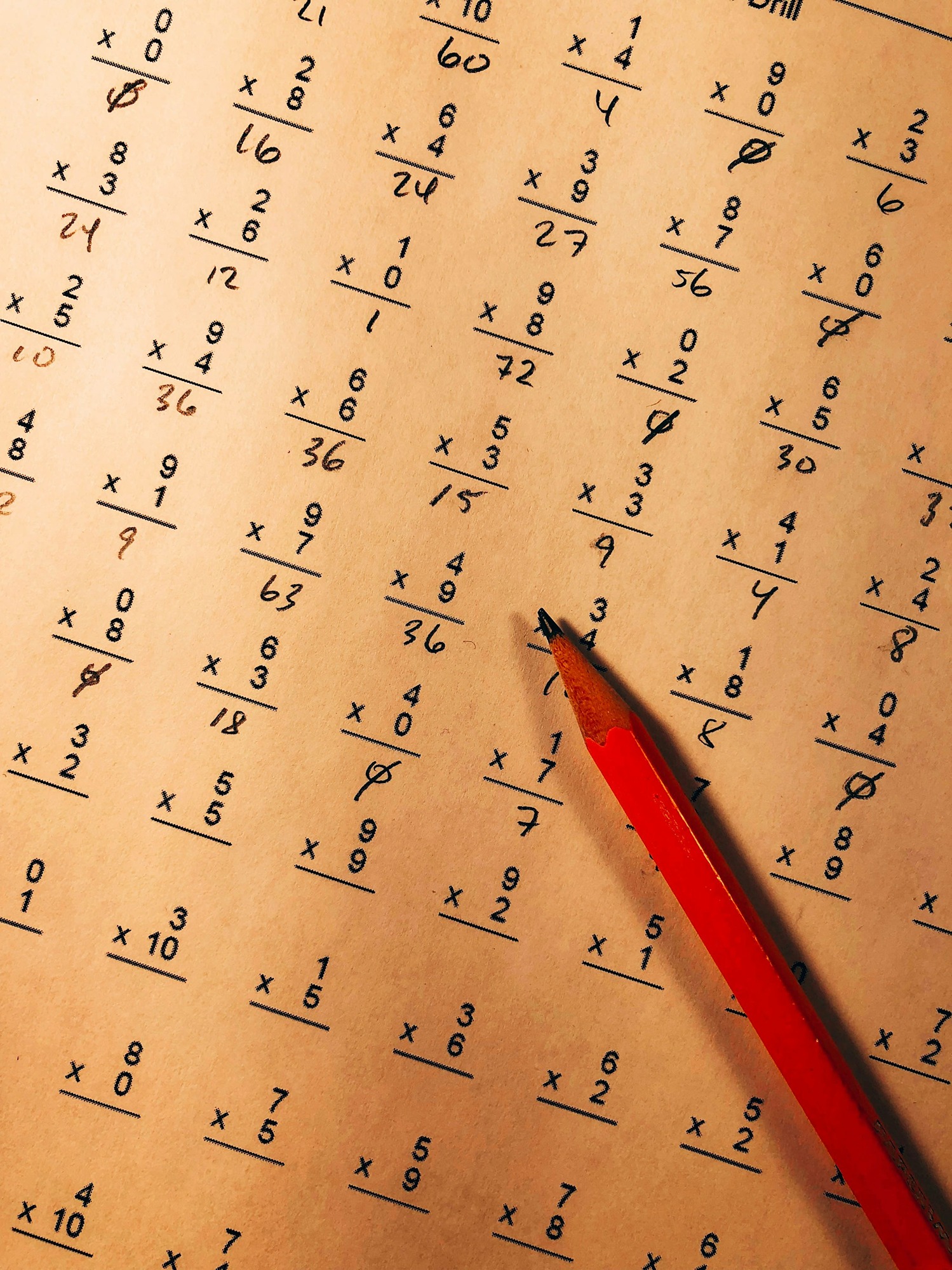
Difficulties with maths can affect far more than lessons and exam results. They can knock confidence and make everyday tasks involving numbers feel daunting. A thorough assessment can help make sense of why maths feels difficult and, importantly, identify practical ways forward.
Assessments are available in person.
A full diagnostic maths/dyscalculia assessment may be right for you if:
you or your child finds maths particularly difficult
you’d like to understand why maths is difficult and whether the profile is consistent with dyscalculia or a specific learning difficulty in maths
difficulties with maths are affecting confidence, education or everyday life
you need a detailed report with practical strategies and recommendations
The assessment explores a wide range of mathematical and underlying skills to build a detailed profile of strengths and difficulties and determine the most appropriate conclusion.
Dyscalculia is only one part of the picture. Not everyone with significant maths difficulties has dyscalculia. A conclusion such as a specific learning difficulty in maths doesn’t make those difficulties less significant; it can have just as much impact on education, confidence and everyday life.
I also look beyond maths. If I identify signs of other possible needs, such as ADHD, autism or language difficulties, I’ll explain these fully and, where appropriate, can provide referral letters to other professionals at no extra cost.
What does the assessment involve?
Maths assessments take place in person at my home in Crawley Down, West Sussex.
The assessment explores a wide range of mathematical and underlying skills, including number magnitude, sequencing, maths fluency, mathematical language, problem solving, written maths, estimation, working memory, general language and reasoning. The pattern of evidence is considered alongside background information to determine whether it is consistent with dyscalculia or a specific learning difficulty in maths.
Testing usually takes around two hours and 15 minutes followed by up to 30 minutes of immediate verbal feedback when I’ll explain my findings and answer your questions. If you’ve already had a full diagnostic dyslexia assessment, some overlapping tasks may not need to be repeated, depending on when it was completed. If DCD/dyspraxia is also being explored for someone aged 16+, please allow approximately another 30 minutes.
An assessment doesn’t automatically result in a diagnosis. Whatever the outcome, you’ll receive a detailed, practical report explaining the findings and recommendations, which can be shared with schools, colleges, universities and employers.
How much does a maths assessment cost?
A full diagnostic maths/dyscalculia assessment costs £575, comprising a £75 deposit payable when booking and the remaining £500 due no later than the assessment date.
There’s no additional charge for referral letters - for example, for ADHD or speech and language - or for completing JCQ form 8 where a school or college has agreed in advance to work with me regarding exam access arrangements.
Where an education provider is paying, I’ll issue an invoice after the assessment, payable within 30 days.
Please get in touch if you're interested in a combined dyslexia and maths/dyscalculia assessment or if you've previously had a dyslexia assessment with me.
What should I do next?
Before getting in touch, please read about the assessment process and pre-assessment checks. If you’ve already done this, you’re very welcome to contact me.